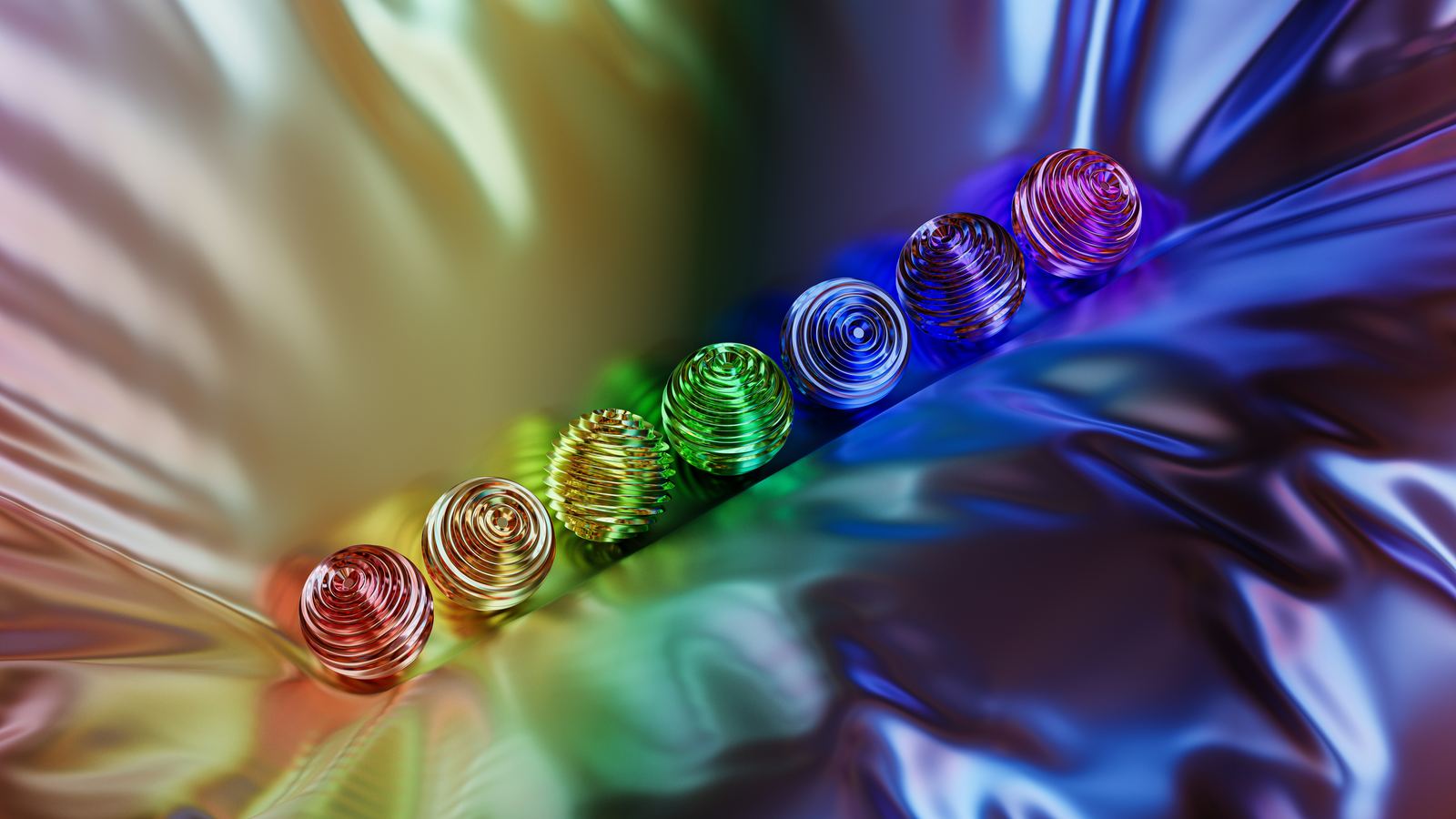
The chakras are the seven main energy centers of the body, according to ancient Indian philosophy. When the chakras are open and in balance, energy flows freely, offering physical, emotional and spiritual health. Each chakra corresponds to a specific area of the body.
1. Muladhara
Muladhara is the first of these.
- Represents the primary needs of material existence, such as food and water, shelter and reproduction.
- Connected to the sense of smell & its element is earth (bones, nails and hair in our physical body).
- Its color is red.
- The qualities of a balanced Muladhara are material security, practicality, grounding, vitality, strength, abundance, stability and solidarity.
- Located at the perineum for men and at the cervix for women.
2. Svadhisthana
Svadhisthana is the second of these.
- The emphasis of this center is on the pursuit of pleasure and enjoyment through food, drink and sex.
- Connected to the sense of taste & the element of water (excretory and reproductive organs, as well as all the water within the body).
- Its color is orange.
- The qualities of a balanced Svadhisthana are healthy relationships with objects of desire and with the social environment, defined boundaries, creativity, flexibility, fluidity and adaptability.
- Located above Muladhara, in the area of the genitals.
3. Manipura
Manipura is the third of these.
- Its meaning is the city (pura) of jewels (mani), as it is our personal sun, radiant and glowing like a jewel.
- Connected to the sense of sight & the element of fire (representing the metabolic functions in the physical body and the organs related to them).
- Its color is yellow.
- Its qualities are dynamism, assertiveness, ambition, energy and vitality, and when well balanced it shows itself as leadership rather than dominance and despotism.
- Located in the area of the navel.
4. Anahata
Anahata is the fourth of these.
- It is the vibration of the universe, the pulse felt in the heart.
- Connected to the sense of touch & the element of air (representing all the air within our body, the lungs and the heart).
- Its color is green.
- Its qualities are unconditional love, service, compassion, alertness, mutual connection and tolerance.
- Located in the area of the heart.
5. Vishuddha
Vishuddha is the fifth of these.
- Its meaning is purification.
- Connected to the sense of hearing & the element of ether (representing all the empty spaces within the physical body and the organs of the throat).
- Its color is light blue / blue.
- It manifests as an understanding of the dualities of physical life, right knowledge and discernment through this understanding, and the ability to communicate this truth.
- Located in the area of the throat.
6. Ajna
Ajna is the sixth of these.
- It is the command center, also known as the third eye. It is the center of non-duality, as this is where polarities unite, including the two pranic flows of ida and pingala.
- Located beyond the physical senses & its element is the mind (representing the pineal gland in the physical body).
- Its color is indigo blue.
- It is the center of higher knowledge, awareness, universal truths, wisdom, intuition, telepathy and psychic abilities, as well as strong mental abilities such as intelligence, memory and concentration.
- Located behind the center of the eyebrows, in the middle of the brain.
7. Sahasrara
Sahasrara is the seventh and last of these.
- It is not actually considered a chakra, but the seat of higher consciousness, where matter and energy, and the universal and the individual, unite.
- When we refer to the rising of Kundalini Shakti, reaching the Sahasrara point would be complete union, and therefore the goal of yoga.
- Its color is indigo blue.
- Located at the crown of the head.
8. Bindu
What does Bindu symbolize?
- Represents the manifestation of creation and is associated with the production of semen in the physical body. It is the center that promotes mental and emotional health and relieves anxiety and depression.
- Refers to the drop of nectar (Amrita) that falls from this point to the back of the tongue for yogis, and is considered the source of the "nectar of immortality."
- Connection: Unites the individual with the universal, Shiva with Shakti.
- Located at the back and top of the head, between Sahasrara and Ajna.
- Symbolized by a crescent moon and a white drop.
Simply becoming aware of these centers and their psychological and physical aspects, along with simple methods for increasing the flow of energy through them, such as asana, visualization and concentration, are safe ways to benefit and balance the energy body. For any kind of deeper work with the chakra system, it's recommended to seek guidance from an accomplished teacher of the chakra system.